



Real potential hides in the wrong teams
Most high potential lists are built on visibility. This one is built on evidence, across everyone you employ.
TRUSTED BY TEAMS RUNNING MAJOR CHANGE
It all comes from one assessment completion
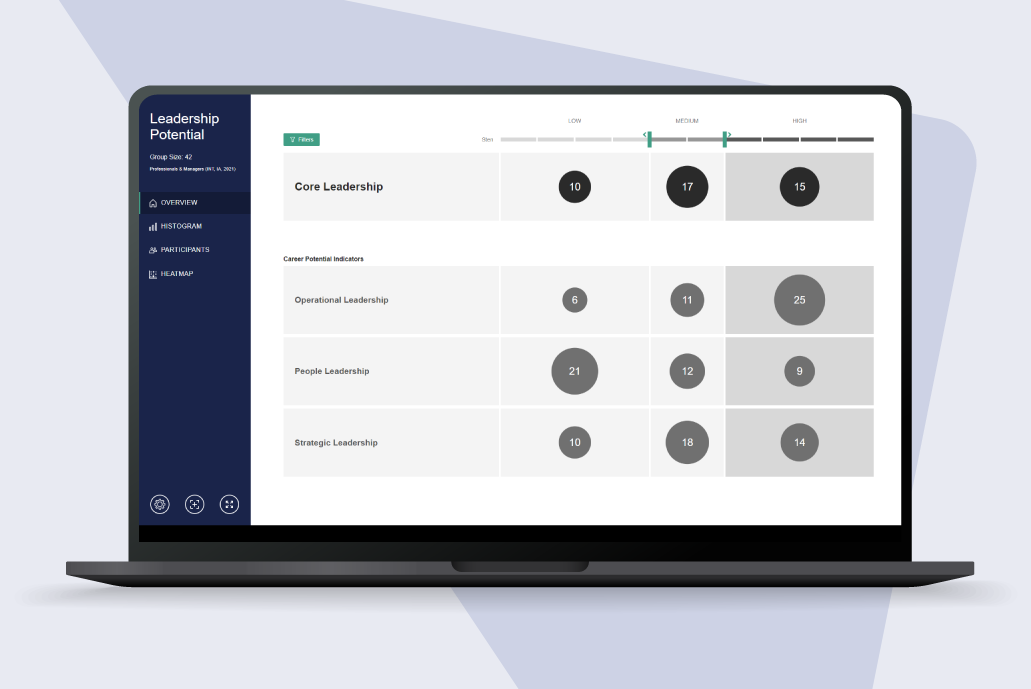
One completion of a behavioral assessment produces the Leadership Potential Dashboard, scored by our model against your framework.
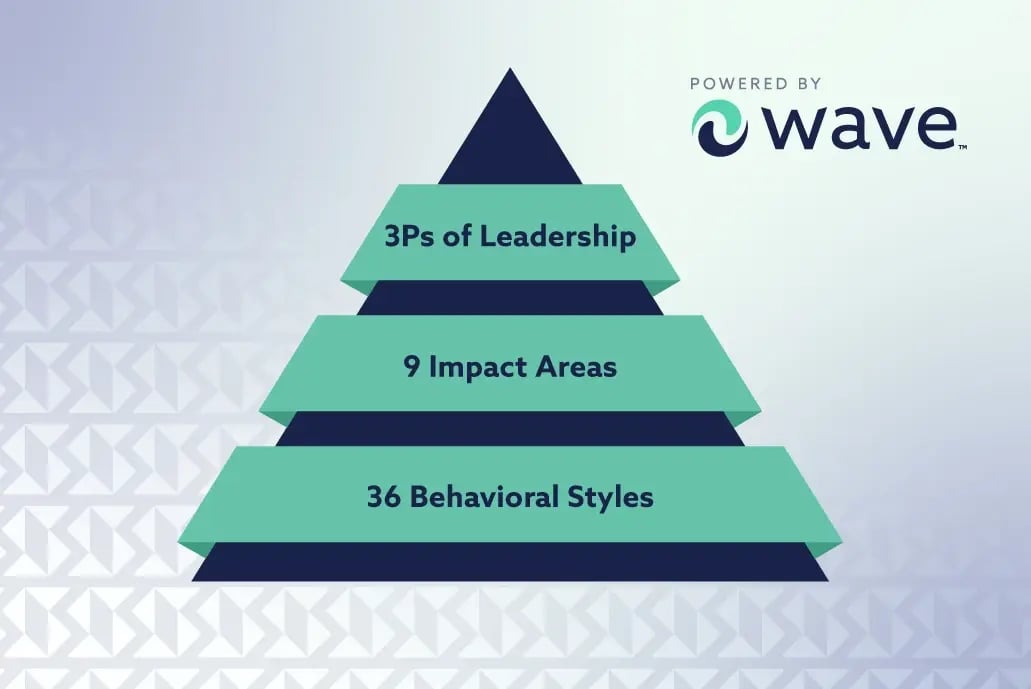
Our validated potential model, scored against your leadership framework so the language and the output are aligned to your usual talent review process and nothing needs to be translated first.
A heat map of the whole cohort with every individual underneath it, so you can see where the pipeline is thin, which parts of the business are carrying the potential, and where next year's development budget should go.
Debriefs run by us, or by your own team once we have trained them, so feedback does not cap the size of the cohort.
Nominations miss high potential talent
They find the wrong ones and they miss the right ones.
Sharper list
We estimate two in three people on a nomination-based high potential program could be the wrong people. With Saville, one in five.
-
Nominations become a cross-check
-
Potential scored, not inferred
-
The same ratio at 10 people or 200
Wider net
We estimate one in twenty people screened out without structured assessment is a genuine high potential. With Saville, one in sixty.
-
One completion covers everyone
-
Operational, people and strategic potential
-
Run on demand, not annually
Fair by design
The model tests its own data for group differences and suggests changes where any show up. Fairness is checked, not assumed.
-
Helps build diversity in the pipeline
-
Tested on an international dataset
-
Research conducted across 50 countries
Everyone gains
Being told you are not high potential is disengaging. Everyone assessed gets their results back and a conversation tailored to their development.
-
Results back for every participant
-
Career direction, not a label
-
An open, explainable process
How many of your high potentials really are?
~5%
projected reduction in voluntary turnover at larger organizations, against the average tool
1 in 5
people on the program are the wrong people, against two in three on a nomination-based one
Source: Saville ROI model outputs, 2026. Modeled projections, not observed client outcomes. The turnover projection uses organizations of 500 or more and the Gallup engagement to turnover link at 50% attribution.
From a manual annual process to a consistent live pool of high potentials
An international health and beauty retailer replaced an annual 9 box grid, built on manager nominations and performance ratings, with assessment on demand. Their own HR team now runs the feedback sessions.
more women identified as having leadership potential than the 9 box grid was finding
assessed in the first cohort, then scaled on demand rather than annually
employees in the organization the program had to reach across

Frequently asked questions
The questions people ask before they rebuild a high potential program.
By assessing a whole population against a model of potential, then reviewing the results with the people who know the roles. One behavioral assessment completion produces an individual view of potential for each person and a cohort view for whoever owns the program. Nominations become a cross-check rather than the way in.
Performance describes how someone is doing in the job they have. Potential estimates how likely they are to succeed a level up, which is a separate question with a separate answer. Strong performers are routinely promoted into roles that do not suit them, and quiet high potential is routinely missed.
Probably, yes. With an industry average-validity assessment, we estimate one in three people on your program are not high potential. With Saville, one in five. The difference is predictive accuracy: the potential model is built on ratings of potential rather than inferred from a general personality profile.
Weeks rather than a cycle. One life sciences client assessed 315 employees end to end and had individual reports back in six and a half weeks. Each person completes the assessment in one sitting, and the cohort view fills in as results arrive.
No. Potential is scored as operational, people and strategic potential, so expert and specialist tracks are covered alongside management ones. If you are planning succession for named critical roles rather than identifying a pool, start with leadership pipeline.
Find the potential already on your payroll
Tell us the size of the population and what the program has to decide. We will show you what the pool looks like.