










Talent pooling: start your shortlist from your own people
Build pools of people already assessed against a success profile, so a shortlist is ready the day the vacancy opens, not weeks later.
TRUSTED BY TALENT TEAMS WORLDWIDE
How talent pooling works
Talent pooling means assessing people against a success profile before the vacancy exists, then holding the result so a shortlist is ready when it opens.
THE CHALLENGE
A role opens and the search starts again from nothing. Last year’s strong applicants, the contractor covering the gap and the analyst ready to move are on nobody’s list.
SET THE PROFILE
Agree a success profile for the roles you fill most often, rather than for one vacancy. The pool is built against that profile, so it stays useful.
ASSESS ONCE
Each person completes a behavioral assessment once. When a different role opens, the same result is used for that decision too, with no repeat assessment.
START FROM EVIDENCE
When the vacancy opens, you already know who fits the standard. Interviews start on evidence you hold, rather than on a new campaign and a pile of CVs.
A wider starting line
Your people first
Your own people sit in the pool first, alongside past applicants and contractors, all measured against the same evidence rather than how well they are known.
- Internal candidates compete on equal terms
- Strong runners-up stay in view
- Contractors judged on evidence, not tenure
Weeks back
The weeks between a role opening and a shortlist existing are the weeks a pool gives back to your time to fill.
- No campaign before first interviews
- Hiring managers see evidence sooner
- Critical roles are covered faster
Nothing extra
The pool is the assessment work you have already done, held and read again, not a separate process somebody has to run.
- No spreadsheet to keep current
- Grows with every assessment you run
- Results written in plain language
Tell us which roles keep reopening
Every team has a handful of roles it fills again and again. Start there. We will agree the success profile with your hiring managers, set up the assessment, and show you who is already in view before the next vacancy opens.
What you need to build a talent pool
Everything a pool needs, from the success profile to the shortlist, with one assessment per person.
A clear statement of what good looks like for the roles you fill most often, agreed with the hiring managers who will use the shortlist.

A behavioral assessment each person completes once, with a range of options for length and depth. Every person in the pool is measured the same way.
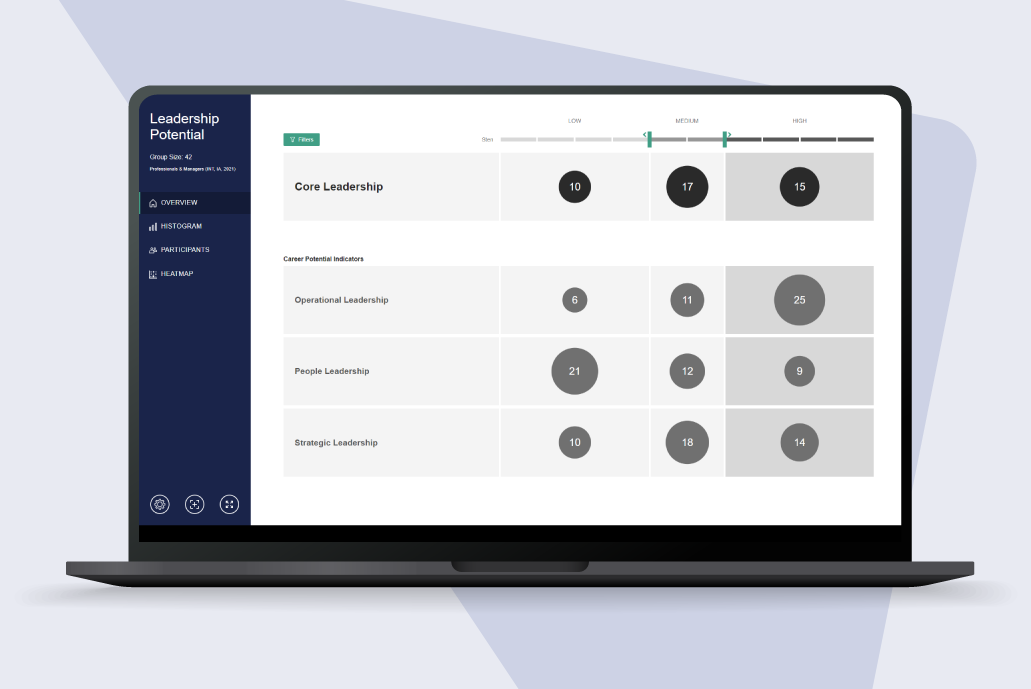
One completion serves more than one decision. The same assessment data supports bench-building and internal moves, so nobody sits a second assessment for the next role.

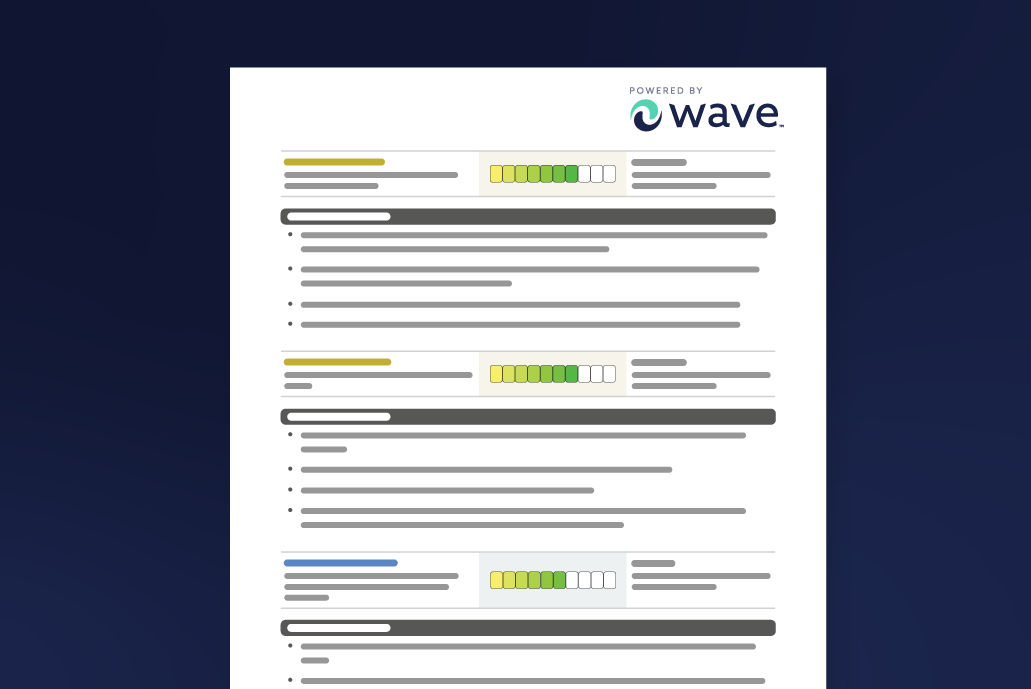
Every person gets strengths-based feedback when they finish, so the people you are not ready to hire yet still leave with something useful.
50%+
of Ricoh’s first cohort of 70 delegates moved into new roles in its growing digital business, from an internal pipeline.
Source: Ricoh case study, Saville Assessment.
Talent pooling questions
What talent acquisition teams ask before they build their first pool.
Talent pooling is building a group of people assessed against a success profile before a vacancy opens, so you start from a shortlist rather than an advert. The pool can hold past applicants, contractors and current employees, all measured against the same standard.
A talent pool is the group of people you already hold evidence on. Talent pipelining is the ongoing work of keeping that group matched to the roles you will need to fill. The pool is what you draw from; the pipeline is how it stays useful.
No. A person completes the assessment once, and the same result is used for later decisions, such as the next role or an internal move, with no repeat assessment.
Yes. Past applicants, contractors and internal candidates are measured against the same profile, so everyone is compared on evidence rather than on how well they are known. Internal mobility covers moving your own people in more depth.
Workforce planning tells you which roles you will need; talent pooling means people are ready for them. We do not forecast headcount. We supply the evidence about people that a plan needs, as part of our approach to talent mobility. See workforce planning.
They complete one assessment online and get strengths-based feedback as soon as they finish, whether or not a role opens for them. That keeps a good impression of your organization with the people you may want to call later.
Build your first talent pool with us
Tell us the roles you fill most often and we will show you where to start.