









Know where workforce resilience is thin
Find the teams and critical roles most exposed to sustained pressure, then decide where people and support go before anything breaks.
TRUSTED BY TALENT TEAMS WORLDWIDE
How to read workforce resilience
Four steps, from one completion to a decision.
THE CHALLENGE
Workforce resilience is how well your people keep performing through sustained pressure and repeated change. Most organizations find out where it was thin afterwards, in absence, leavers and missed work.
ASSESS THE PEOPLE
People in the teams that concern you complete a behavioral assessment online. A report built for change reads how each person tends to respond to pressure and uncertainty.
SEE THE PATTERN
Individual results roll up by team, function and site. You see where resilience runs deep, where it is thin, and where a critical role depends on someone likely to struggle.
DECIDE WHERE PEOPLE GO
Use the picture to decide who covers critical roles, where experienced people move in, and which teams get support first, rather than spreading it evenly across everyone.
Why it works
Lasting adaptability
The report reads the kind of adaptability that holds up over months of pressure, which is what a long change demands.
- Linked to performance and potential
- Advice for every strength and gap
- Actions for now and the next change
Known costs
Replacing an employee costs half to twice their annual salary. Finding the weak points early costs less than finding them in resignations.
- Support in place before absence rises
- Cover planned for critical roles
- Spend focused on exposed teams
Source: Gallup, 2019.
Nothing extra
People complete one online assessment. There is no separate diagnostic to run while the change is live and managers are stretched.
- Completed in the person’s own time
- Plain language reports for managers
- A personal report for everyone
Want to see where your teams stand? Talk to us.
What you get from the resilience read
One completion gives each person a report and the team a group overview.
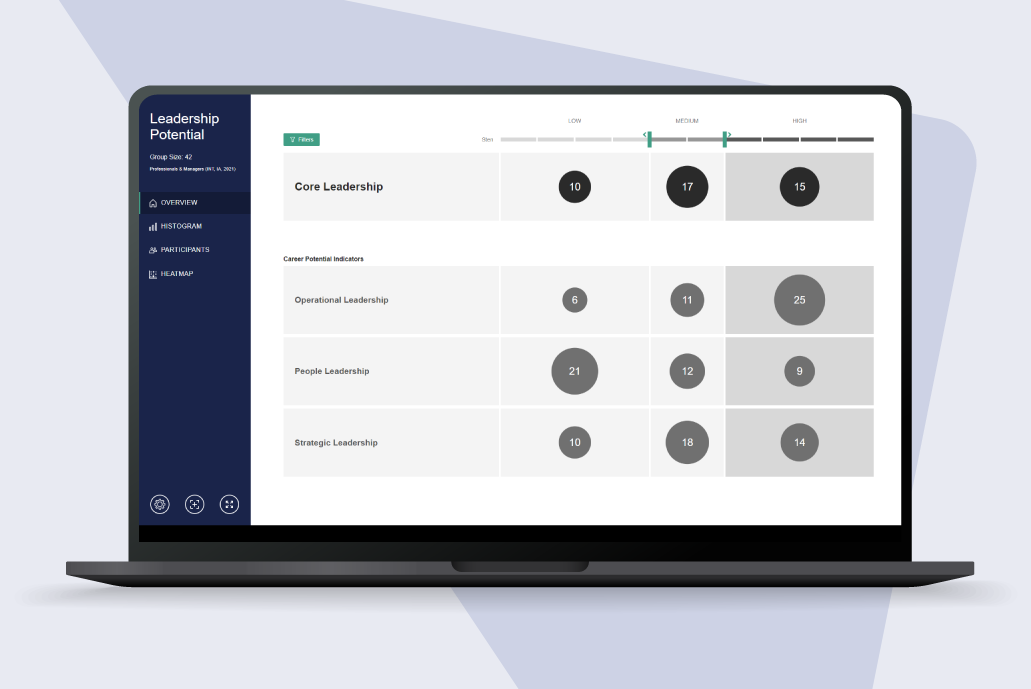
A group overview shows which teams, functions and sites are well placed for sustained pressure and which are exposed, side by side, from the same completions.
Every participant gets their own report on how they tend to respond to change and pressure, with strengths to lean on and an editable action page.
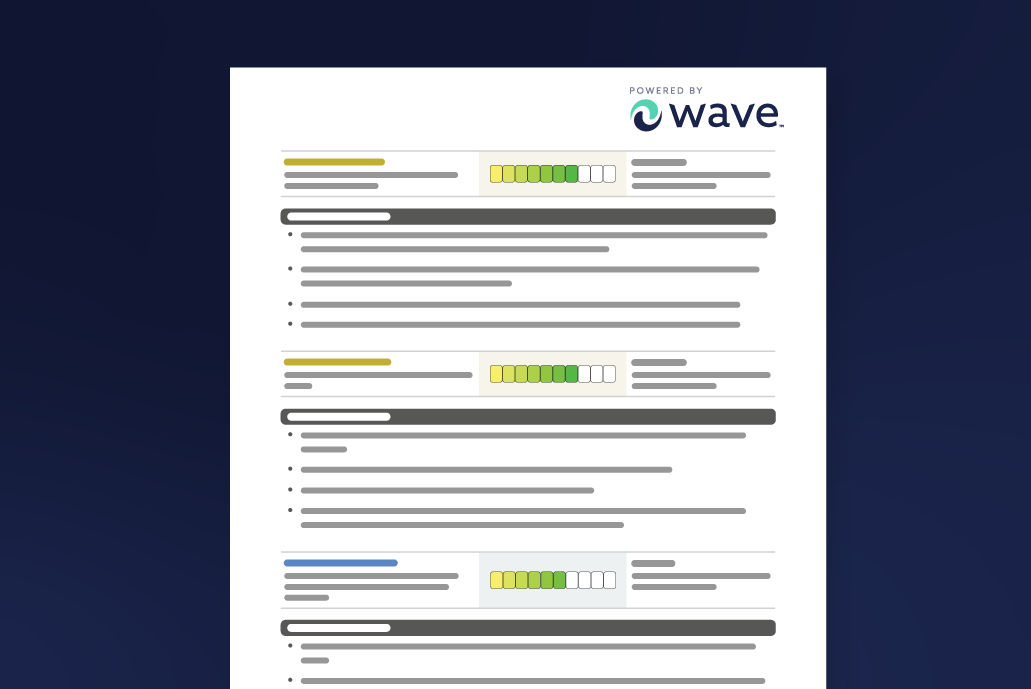
The report runs from a shorter or a fuller behavioral assessment, so you can match the depth to the size of the population and the decision.

Guidance on where coaching and team development will do most good, so support follows the evidence instead of the org chart.
How Sodexo found where connection was thin
Sodexo, 175 employees assessed
During the pandemic, the group view showed drive was a clear strength but staying connected was harder for the under 50s, which reinforced the case for reciprocal mentoring across age bands.
Your questions answered
What HR teams ask before running a resilience read.
Workforce resilience is the capacity of your people to keep performing through sustained pressure and repeated change. In practice it shows up as who holds critical work together, who stalls, and where a team has no one to cover a gap.
With a behavioral assessment and a report built for change, which shows how each person tends to respond to change, pressure and uncertainty at work. Results roll up to team, function and site, so you can see where resilience is strong and where it is thin.
Change readiness prepares each person for a specific change and gives them a plan to develop. Workforce resilience uses the same read to decide where people and support go across the organization while pressure lasts. Read more about change readiness.
Yes. Individual results roll up into group profiles, so you can compare teams, functions and sites and see where organizational resilience is concentrated and where it is exposed.
No. It measures behavior at work: how people tend to respond to change and pressure. It is not a clinical or wellbeing measure, and it sits alongside your wellbeing support rather than replacing it.
Yes, as an input. It shows who is likely to hold steady in a critical role and where a team needs experienced cover. Decisions on structure and headcount stay with you, as part of your wider talent mobility planning.
Talk to us before the pressure peaks
Tell us what is changing and which teams worry you. We will show you the read.