

The team effectiveness conversation nobody is having
THE ORGANIZATIONS THAT ASSESS WITH US
What's slowing your team down?
Team effectiveness is how well capable people work together, not how capable each of them is.
Silos and silence
Two parts of the business solve the same problem twice and neither knows. Work gets duplicated, knowledge stays where it landed, and handovers fail quietly. Group data shows who is connected to whom and who is not.
Clashing styles
Two capable people cannot work together and the rest of the team works around them. It is rarely a personality problem. Usually it is two different routes to the same result, with nobody naming the difference.
Who does what
Roles, targets and goals were agreed once and never revisited, so two people own the same thing and nobody owns the next thing. Work roles data shows what each person is actually contributing.
A team mid-change
Restructures and transformation programs land on teams that were already stretched. Group insight shows which teams will absorb the change, which will stall, and where to put support before performance slips.
Two teams, one way
After a merger the operating plan is ready and the people plan is not. Comparing both groups' working styles shows where the two cultures will grind, before Day 1 decisions get made.
Three ways to run it
Working teams
For professional, operational and management teams
-
Individual reports plus a group overview
-
Work roles, collaboration patterns and role clarity
Leadership teams
For leadership, board and executive teams
-
Adds leadership impact and risk insight
-
Shared derailers, alignment and succession readiness
Run it yourself
Your facilitators, our materials and exercises
-
Workshop decks and a catalog of exercises
-
Facilitation guidance and train the trainer support
How a team effectiveness session works
Four steps, from assessment to agreed actions. Individual feedback sessions can run alongside for anyone who wants their own debrief.
Everyone in the team completes the same behavioral assessment online, at the depth that suits the team's level. One sitting, done before the session.
Each person gets their own report. You get the group overview: the team's strengths, its gaps, its collaboration patterns and where contribution overlaps or drops out.
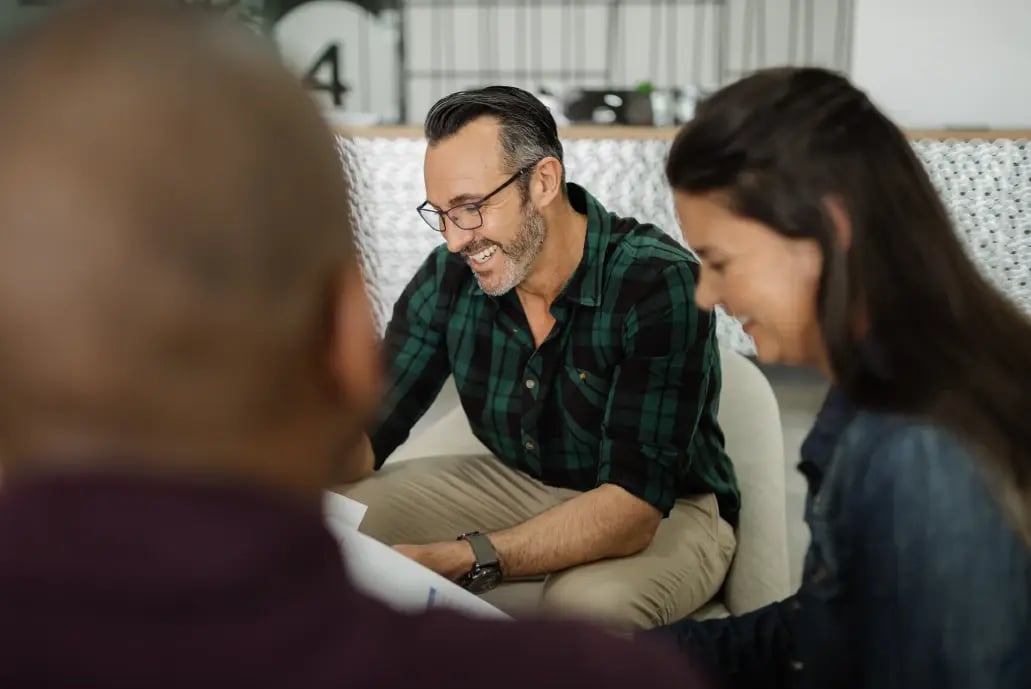
A senior consultant or accredited psychologist facilitates the session. The team talks about how it works, using a shared behavioral language instead of impressions.

The team agrees the changes it will make, who owns each one, and what will be different. You leave with actions, not a set of profiles.
What the sessions are like
Knowledge and facilitation skills were excellent; everyone was included. Made me feel safe, provided the right amount of information when asked questions.
Bring us into the room
A facilitated session where a team looks at its own behavioral data and agrees what to change. Everyone completes an assessment first, then a consultant works through the group's strengths, gaps and friction points with the team in the room.
Long enough for the whole team to work through its own data and agree what changes, in one session. The length and the group size depend on the size of the team and whether it is a working team or a leadership team, and we confirm both when we scope it with you.
Yes. The session is built on the team's own data, so everyone completes the same behavioral assessment beforehand. Without it, the session becomes a discussion about impressions rather than evidence.
Yes. There is a Group Workshop Toolkit for internal talent professionals: workshop decks, a catalog of practical exercises, facilitation guidance and train the trainer support. Many clients start with a facilitated session and run later ones internally.
Yes, and it is a different session. Leadership and executive teams add leadership impact and risk insight, so the conversation covers shared derailer behaviors, decision making and strategic alignment as well as collaboration.
Both. Sessions run virtually or in person, whichever suits the team. Preparation and interpretation are done by a senior consultant or accredited psychologist either way.
Tell us what your team needs
Describe the team and what is not working. We will come back with whether a session fits.