
In our latest research, HR leaders estimate that around 1 in 5 leadership hires or promotions have been mistakes in the last three years, with the fallout showing up in lost revenue, legal/compliance issues, team disruption, attrition, and culture damage.
We sat down with Dr Hayley Lewis and got practical about what impactful leadership looks like in a decade defined by disruption.
Now, more than ever, you simply can’t afford to get it wrong.

“Trust is built at the speed of a snail and lost at the speed of a racehorse.”
Dr Hayley Lewis

In this episode, we cover:
If you’d like to know more about this topic check out the useful resources below:



00:00:05 Sarah
Welcome to the Deep Dive, the show where we explore the latest topics in HR, talent management, and the world of work.
00:00:11 Sarah
We recently surveyed hundreds of senior HR decision makers, and early warning signs point to real gaps between the pace of change and the readiness of organizations.
00:00:20 Sarah
It’s never been more important to have the right people behind the wheel leading these organizations through this period.
00:00:26 Sarah
So today we’re asking, how can organizations ensure that their leaders are
00:00:30 Sarah
set to drive growth through this next period of disruption.
00:00:33 Sarah
And to unpack all of this, I’m joined by the wonderful Dr.
00:00:36 Sarah
Hayley Lewis, an esteemed occupational psychologist and leadership expert who works with businesses building the kinds of leaders and cultures that thrive through change.
00:00:45 Sarah
We’ll dive into some of our survey findings and what future-ready leadership actually looks like in practice, and how organizations can spot and develop the people who are going to drive growth against an uncertain landscape.
00:00:56 Sarah
Hayley, welcome to the Deep Dive.
00:00:58 Sarah
I’m sure you’ll be a familiar name
00:01:00 Sarah
to many of our listeners, but for those who may not be familiar with you, could you tell us a little bit more about yourself?
00:01:05 Hayley
Yeah, well, first of all, thank you for having me.
00:01:08 Hayley
Yeah, I’m Hayley, Hayley Lewis.
00:01:10 Hayley
I am an occupational psychologist, or as I like to say, I have dual citizenships.
00:01:15 Hayley
I’m also a coaching psychologist.
00:01:17 Hayley
And I’ve been an occupational psychologist for almost 30 years.
00:01:20 Hayley
I’ve worked in lots of different places.
00:01:23 Hayley
I started out my career at the BBC.
00:01:26 Hayley
primarily working in assessment and development, which is where I first kind of got to work with Savile and proceeding that SHL, and then moved into local government, held a variety of roles, moved away from occupational psychology for a bit, and went into bigger and bigger leadership roles and frontline service roles, which taught me a lot, very stressful.
00:01:49 Hayley
and then came back to my spiritual home that I love and set up my own business 10 years ago.
00:01:56 Hayley
And I primarily do work around leadership and management behaviour and how that impacts culture and performance.
00:02:04 Hayley
So yeah, so it’s primarily executive coaching, but I do lots of teaching and training and talking as well.
00:02:14 Hayley
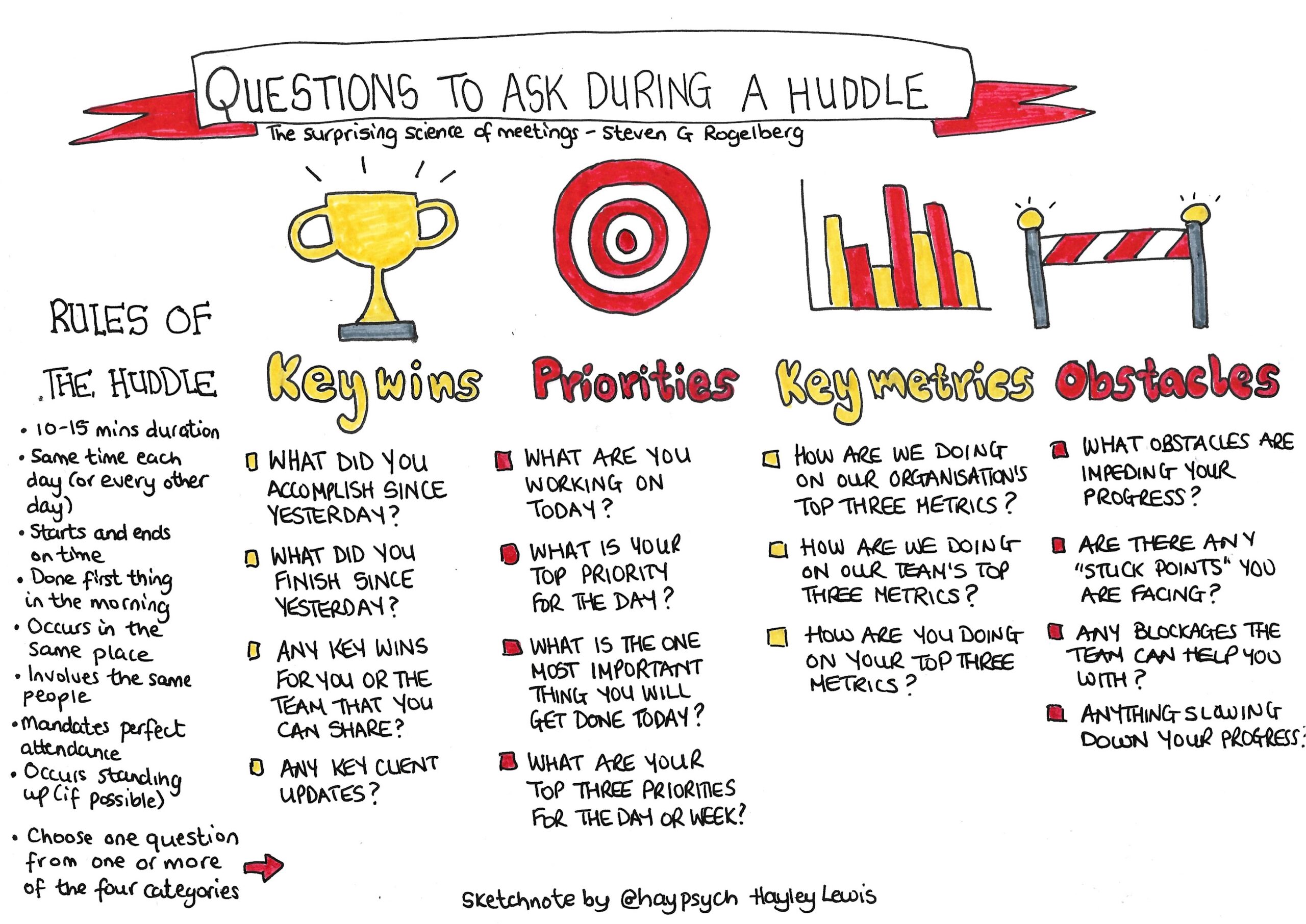
Some of your listeners might know me for my little scribbles, my sketch notes.
00:02:19 Hayley
So yeah, whenever I’m at conference, lots of people will come up to me and go, you’re the sketch note lady.
00:02:26 Hayley
So lots of people have got to know me for my sketch notes.
00:02:30 Hayley
Many of which go viral now.
00:02:32 Hayley
So which always blows my mind.
00:02:34 Hayley
So yeah, so that’s a little bit about me.
00:02:36 Sarah
That’s amazing.
00:02:37 Sarah
I mean, I love the range within your career and I suppose.
00:02:40 Sarah
the sketch notes, being able to distill large, complex topics into easy to understand information is a pretty hard skill to nail as well.
00:02:48 Sarah
So I’m sure very useful for so many people.
00:02:51 Sarah
And I’m not surprised they would go viral.
00:02:52 Sarah
So I’m excited for the episode.
00:02:55 Sarah
I assume you’d also have so many great perspectives on the world of automation in terms of AR and HR.
00:03:01 Sarah
And I know you’re reading a book on AI and the world of work at the moment.
00:03:04 Sarah
So do you feel like you reflect back on your career and bring in all those different
00:03:09 Sarah
parts of it into, I guess, your perspective now, and it’s great to have that range.
00:03:15 Hayley
Without a shadow of a doubt.
00:03:16 Hayley
And it’s really interesting to me.
00:03:18 Hayley
I think lots of clients give me feedback, because when I ask how they found me or why they’ve chosen to work with me, lots of the leaders that I work with say they really value the deep psychological knowledge I have around the issues that they’re grappling with.
00:03:37 Hayley
But I’ve also
00:03:38 Hayley
to some extent been in their shoes.
00:03:42 Hayley
I’ve kind of had that real world experience.
00:03:45 Hayley
I don’t just talk about, for example, motivating team members who are no longer motivated.
00:03:52 Hayley
I don’t just talk about that from a theoretical perspective.
00:03:55 Hayley
I’ve lived and breathed that, you know, that brilliant team member who suddenly just doesn’t want to play anymore and just is not happy and what’s going on there.
00:04:06 Hayley
I’ve had to sit in rooms and defend why I’m having to restructure for a fourth time in a year because of budget issues to the unions.
00:04:14 Hayley
I’ve had to negotiate that and kind of everything in between as well and kind of wear, I call them my battle scarves, but I kind of wear them with pride and I think that combination to some extent
00:04:30 Hayley
gives me a bit of a unique insight that I think lots of leaders value.
00:04:34 Sarah
Yeah, absolutely.
00:04:36 Sarah
And I suppose to bring that into a problem that, or a challenge that a lot of different companies are facing today.
00:04:42 Sarah
On a recent episode of the podcast, we had Matt Alderon and he suggested that recruitment process, could it be 80% automated by next year?
00:04:50 Sarah
And according to our own data in the UK, only one in five HR leaders currently feel prepared.
00:04:56 Sarah
for a more blended human and machine workforce.
00:04:59 Sarah
And I think just generally we’ve seen so much ambiguity around this and people feel a lot of uncertainty and maybe fear around how exactly to navigate this moving forward.
00:05:10 Sarah
Like what’s your kind of top note perspective on all of this?
00:05:13 Hayley
It’s really interesting.
00:05:14 Hayley
I was chatting to my husband about this today.
00:05:15 Hayley
I think until the end of last year, I was absolutely one of the people sitting there with crossed arms.
00:05:25 Hayley
a bit holier than now about the environmental aspect of AI, for example.
00:05:30 Hayley
And then I had this moment where I thought, the genie is out of the bottle.
00:05:34 Hayley
You need to lean into this.
00:05:36 Hayley
And actually, we have a responsibility, whether we’re HR or organisational development or psychologists.
00:05:44 Hayley
I think we have a real opportunity to help steward the way.
00:05:51 Hayley
But what I’m seeing is a lot of denial.
00:05:54 Hayley
I think a lot of hope that the genie will go back in the bottle.
00:05:58 Hayley
And then I’m seeing almost like a paralysis, people not sure how to proceed, feeling out of their depth, but maybe not, maybe because they’re in really senior roles.
00:06:09 Hayley
They’re embarrassed to admit they don’t know.
00:06:11 Hayley
It was really interesting.
00:06:13 Hayley
I was at the Division of Occupational Psychology conference last week and I deliberately went
00:06:19 Hayley
to the sessions that were sharing research about AI, whether it was AI in management, AI behaviours.
00:06:28 Hayley
It was really interesting.
00:06:30 Hayley
And what was the most interesting thing is how split the kind of the delegates.
00:06:36 Hayley
So there were those of us who were a little bit unsure, a little bit uncertain,
00:06:40 Hayley
but were curious.
00:06:42 Hayley
And then there was a lot of arm crossing and a lot of what about the environment?
00:06:45 Hayley
What about the ethical aspects?
00:06:47 Hayley
What about…
00:06:48 Hayley
And it was absolutely fascinating to me.
00:06:53 Hayley
There is no going back.
00:06:56 Hayley
So we better get on board.
00:06:58 Hayley
But I think it’s scary.
00:06:59 Hayley
I think it’s scary for a lot of people.
00:07:01 Hayley
And particularly for people like, you know, I’m Generation X, if we want to put generational terms on it.
00:07:06 Hayley
And
00:07:08 Hayley
I think for those of us, it’s so unknown, it’s scary.
00:07:13 Sarah
Yeah, it’s very scary.
00:07:15 Sarah
And I think the point you made around, especially senior leaders having to enter a world of a lot of unknowns when maybe there was…
00:07:24 Sarah
more certainty around how organizations would structure themselves or I guess like where those boundaries ended or where the kind of norm started and ended as well.
00:07:34 Sarah
Now like the norm has changed so much.
00:07:37 Sarah
And I think it would be great to get some clarity around that from your perspective.
00:07:39 Sarah
Like when you look at the next 5 to 10 years, what do you see as the biggest forces for change?
00:07:45 Sarah
to organisations and their people.
00:07:46 Hayley
I will say this anytime I’m asked a question like this and it is such a typical response from somebody in my profession, which is it depends.
00:07:54 Sarah
Okay, yeah.
00:07:55 Hayley
So I think it depends to some extent on the sector and industry.
00:08:00 Sarah
Yeah.
00:08:00 Hayley
So for example, I work a lot with public sector and finance and risk sector and industries and they are very risk
00:08:12 Hayley
It’s all about risk management and it’s all about let’s produce that report in order to make that decision.
00:08:17 Hayley
And then it has to go through three or four committees.
00:08:21 Hayley
That has been completely blown out of the window.
00:08:24 Sarah
Yeah.
00:08:25 Hayley
And that’s a really uncomfortable space.
00:08:27 Hayley
So I think there’s something about, I think hierarchy is upended.
00:08:33 Hayley
is actually about having the people with the right skills in the room, not about job title.
00:08:38 Sarah
Right.
00:08:38 Hayley
I think there needs to be a different approach to risk management.
00:08:42 Hayley
It can’t be producing really long reports, as I say, that go to this committee and this committee and this committee.
00:08:50 Hayley
So I think there needs to be a much speedier, more agile approach to risk management.
00:08:55 Hayley
I think
00:08:56 Hayley
We’re going to move, if we’re not already moving, to skill-based hiring.
00:09:01 Hayley
Gone are the days of you need this degree or this qualification.
00:09:04 Hayley
And I think there’s something around what it means to be a resilient organisation in the face of security issues, in the face of the political turmoil, in the face of territories changing and what that means for trade and so on and so forth.
00:09:22 Hayley
And I think this is going to be it now.
00:09:24 Hayley
just everything is constantly changing.
00:09:28 Hayley
And I think organisations from the top down need to have much more fluidity.
00:09:37 Hayley
And I think in some sectors and industries, that’s really hard.
00:09:43 Hayley
square to circle.
00:09:44 Sarah
Yeah, it’s a really interesting point, actually, because especially those industries that are under a lot of regulation or exposed to a lot of risk, it was already such a struggle to be agile and to work quickly without sacrificing quality, for example.
00:10:04 Sarah
And I suppose, the addition of AI and automation generally just makes that so much more difficult now, as you’ve mentioned.
00:10:10 Sarah
Have you had any conversations recently with those types of organisations and leaders that have been bringing that to life for you?
00:10:17 Sarah
Like, how are they trying to navigate it from your perspective?
00:10:21 Hayley
Not specifically about AI, which I think is evidence in and of itself.
00:10:27 Hayley
It’s data in and of itself.
00:10:29 Hayley
I think I’m being asked to deliver a lot of
00:10:33 Hayley
sessions on to help organisations and managers and leaders navigate change.
00:10:41 Hayley
I have yet to have an approach where a client has been very explicit about and within that can we think about and have space to think about the disruption of AI and what this means for us.
00:10:59 Hayley
And look, I don’t put that purely at the door of the organisations I work with.
00:11:03 Hayley
There’s something about what am I selling as well.
00:11:06 Hayley
And I feel like I’m running to catch up.
00:11:08 Hayley
I was chatting to Dominic earlier and I’m now immersing myself.
00:11:13 Hayley
I’m speaking to AI experts.
00:11:15 Hayley
I’m reading, I’m listening to stuff, but I haven’t felt confident to date to think about what my offer is as a psychologist to support.
00:11:23 Hayley
I’m now kind of getting clearer on that.
00:11:26 Hayley
So I think it’s a two-handed thing.
00:11:28 Hayley
I think organisations aren’t necessarily asking organisations like ours for that specific support.
00:11:35 Hayley
I think there’s still this, oh, we’ll go to tech experts when actually there’s a cultural element to this as well.
00:11:43 Hayley
There’s A behavioural element to this as well, but there’s something about what’s our offer?
00:11:48 Hayley
Are we clear on the value that we can add to help organisations navigate this space?
00:11:53 Sarah
Yeah, and I think it seems definitely from our perspective that the uncertainty
00:12:01 Sarah
has created a need for someone who has had many of those conversations.
00:12:07 Sarah
And that’s a lot of what we’re trying to do is gain more and more of that insight.
00:12:11 Sarah
And we talk a lot about AI and how that’s disrupting organizational structure.
00:12:15 Sarah
And I think it would be naive for anyone to say they know exactly how this is going to impact each kind of company structure or culture and to be able to advise on that with complete certainty.
00:12:27 Sarah
But I do think that there are some interesting perspectives
00:12:31 Sarah
perspectives now coming out that help bring that to life so much more as well.
00:12:36 Sarah
And we really enjoy having those discussions.
00:12:39 Sarah
And I think especially for the companies that you’ve mentioned, those under regulatory pressure, exposed to risk, it’s even more important that they get the right perspective and have that insight of a range of different companies that have faced those same challenges as well.
00:12:55 Sarah
and it’s why conversations like these will be so important.
00:12:57 Sarah
We saw in a recent Gartner study that among the top priorities for crows in 2026, there are things like mobilizing leaders for growth in an uncertain world, harnessing AI to revolutionize processes as the human and machine era gathers pace.
00:13:14 Sarah
It’s definitely not the most straightforward set of challenges to overcome, and we’ve spoken about that a little bit more.
00:13:20 Sarah
And there are a lot of buzzwords and terms going around as well, because I think
00:13:24 Sarah
to our earlier points, people might not know what the right questions to ask and don’t know really how to define exactly what’s happening.
00:13:32 Sarah
But one thing we have heard a little bit about is change-ready leadership.
00:13:36 Sarah
How would you define what that is?
00:13:38 Hayley
I was thinking about this, I loved this question and I was thinking about this a lot because I think what we thought change readiness was, the definition of change readiness, it’s kind of the book’s been torn up and thrown out.
00:13:52 Hayley
I think
00:13:54 Hayley
So I’ve been thinking about this a lot.
00:13:55 Hayley
What does it mean to be change ready now in today’s world?
00:13:59 Hayley
Because a lot of the models and the concepts and the theories that many of us draw upon, I’m not sure I fit for purpose anymore when it comes to change and being change ready.
00:14:08 Hayley
I think when we think about the level of disruption in the world and that organisations are facing, I think to be change ready means being much more prepared to experiment.
00:14:21 Hayley
and manage risk in a more experimental way.
00:14:25 Hayley
Not everything even needs to go through a pilot.
00:14:27 Hayley
There’s one organisation.
00:14:29 Hayley
I can’t remember what organisation it was.
00:14:31 Hayley
It’s in a book that I’m reading at the moment.
00:14:33 Hayley
They built a CRM in a day.
00:14:37 Hayley
Now, when I was responsible for digital transformation, when I worked in local government, you know, 15 years ago, it took us three years to get the CRM up and running.
00:14:47 Hayley
That’s because we were testing and testing and checking and going to this committee.
00:14:53 Hayley
So I think there’s something about getting much more comfortable with experimentation, what that means, the guardrails that you put around that, because it doesn’t mean being risk-free and just kind of being complete mavericks.
00:15:08 Hayley
There still need to be guardrails, but I think it’s a different approach to being much more experimental.
00:15:13 Hayley
I think
00:15:15 Hayley
If we think specifically about AI, for example, again, less of this kind of rigid, hierarchical approach to change readiness and things getting signed off.
00:15:26 Hayley
I think having a kind of a much more dispersed approach, just allowing expert teams to get on and do
00:15:35 Hayley
and execute and then report back to the hierarchical leadership.
00:15:40 Hayley
I think this has always been the case and I think it’s even more so now, having a values led approach to decision making when it comes to some of the decisions that organisations are having to make.
00:15:52 Hayley
And I’m not talking about those lovely corporate values that are on posters or mugs or anything like that.
00:15:58 Hayley
I’m talking about a leadership team actually saying,
00:16:01 Hayley
What are our guiding principles?
00:16:03 Hayley
What’s our moral compass for some of the difficult decisions that we are going to have to make moving forward and some of the changes that we might not even know about at the moment?
00:16:14 Hayley
What’s going to help us navigate that in as ethical a way as possible?
00:16:19 Hayley
And being really clear and kind of setting out those kind of three or four core values that’s going to help that leadership team make those decisions.
00:16:31 Hayley
in the wisest way possible.
00:16:33 Hayley
So not a straightforward answer to your question, but that’s because I think we’re not in straightforward times.
00:16:40 Sarah
No, not a straightforward question.
00:16:41 Hayley
We’re not in Kansas anymore.
00:16:43 Sarah
No, that is true.
00:16:44 Sarah
And I just wanted to go back to what you’d mentioned around teams being more experimental.
00:16:50 Sarah
And I think
00:16:52 Sarah
that’s a really interesting point because I completely agree with you and I also think that’s so challenging for those companies, especially that are exposed to more risk.
00:17:00 Sarah
How practically can you see that playing out within an organisation or a leadership team to be more experimental?
00:17:07 Hayley
It’s really interesting because even in some of the most regulated organisations, it starts with the leader’s preparedness to let go a little bit.
00:17:20 Hayley
I have this concept of kind of
00:17:22 Hayley
tight loose control.
00:17:24 Hayley
So that doesn’t mean the leader’s not accountable and it doesn’t mean they’re not paying attention to and keeping an eye on the things that matter, but they relinquish a little bit of control.
00:17:35 Hayley
I read this case study with one of the highest serving officers in the UK Army, in the Ministry of Defence, who absolutely demonstrated that with the decision to use AI for
00:17:49 Hayley
a really important decision.
00:17:52 Hayley
And when I was reading this case study, I was thinking, I’m sorry, if one of the top brass in the army, with all the risks and the pressures and the security issues that they’re facing, can relinquish a little bit of control and encourage experimentation and trust and trust.
00:18:15 Hayley
people who aren’t at his level to go and do this thing with AI and report back and work together, then there’s no reason why the rest of us can’t in highly regulated, difficult context.
00:18:35 Hayley
So yeah, so that’s kind of what goes through my mind is where can you relinquish control but not relinquish oversight?
00:18:45 Sarah
Yeah.
00:18:46 Sarah
I’m just thinking on that, what are some of the things that enable someone and a leader to be able to do this?
00:18:52 Sarah
And if I’m a crow, listening and thinking, what can I do?
00:18:57 Sarah
How can I be more enabled to do this?
00:19:00 Sarah
What are the gaps there?
00:19:01 Sarah
Like from your perspective, what are those things?
00:19:03 Hayley
I think if you’re a crow and you sit at the top table, I mean, that’s always the thing, isn’t it?
00:19:08 Hayley
Why aren’t we at the top table?
00:19:09 Hayley
So if you are at the top table, happy days.
00:19:12 Hayley
There’s something about team development.
00:19:15 Hayley
So whether it’s the board or the top team, however you refer to yourself, I think there’s something about a dedicated program of development for you as a leadership team around digital intelligence and skills development, the behavioural development to help you become more digitally intelligent.
00:19:37 Hayley
DQ is the new EQ as far as I’m concerned.
00:19:42 Hayley
or it sits along EQ and IQ.
00:19:44 Hayley
We’ve now got kind of digital intelligence.
00:19:47 Hayley
And I don’t think we can just leave it to individuals or individual leaders to go off and do this.
00:19:53 Hayley
I think it needs to be a kind of a team effort.
00:19:58 Hayley
And I think if you’re lucky enough to be a chief HR officer, you’ve got the trust and ear of your board, the chief exec or the managing director,
00:20:09 Hayley
then convince them to go down this path, to convince them to do some dedicated work as a team, team building that is very much focused on building digital intelligence and AI literacy.
00:20:22 Hayley
It’s not about them becoming AI experts, but they do need to, you all need to understand what it means to make ethical decisions, to be stewards.
00:20:32 Hayley
I mean, I keep using that word stewardship, how to navigate experimentation,
00:20:38 Hayley
how to kind of manage risk in this way, that takes some focus and that takes time and space to think.
00:20:47 Hayley
That would be my suggestion, but I know that’s easier said than done in some contexts.
00:20:54 Sarah
And for that leadership team, but also as that kind of digital intelligence filters down into the rest of the company, what kind of
00:21:04 Sarah
capabilities would you be looking for or would you be looking to grow within these development programs to ensure like there is that digital intelligence?
00:21:14 Hayley
So just as I said, so I think in particular the ethical side of things, so AI ethics, I think there’s cultural intelligence as well and how that plays out.
00:21:25 Hayley
I think there’s understanding bias and how that plays out in kind of how
00:21:33 Hayley
to use the data that’s coming out.
00:21:36 Hayley
For people managers, I think there’s something around helping them learn how to manage hybrid teams.
00:21:44 Hayley
And when I’m talking hybrid, I’m talking hybrid of a mix of humans and AI and what that means and the capabilities there.
00:21:53 Hayley
So how to manage performance of people and
00:21:59 Hayley
AI together, how to work as a team together.
00:22:02 Hayley
So there’s a whole host of things.
00:22:04 Hayley
And I think just by, this is me being really vulnerable now, I think just by, you can just see, even I’m trying to think it through, because I don’t have all the answers.
00:22:15 Hayley
And it comes back to what I said at the start.
00:22:17 Hayley
I think so many of us feel like we’re kind of just grappling around and running to catch up.
00:22:23 Hayley
And I very much feel that as well.
00:22:25 Hayley
And I am absolutely not sitting here.
00:22:28 Hayley
proclaiming to be an expert in this space, but I am really curious and I’m open to learning and I think curiosity and openness to learning is also really important for CHROs and people who are in leadership and management roles who want their organisations to thrive in this space.
00:22:49 Sarah
Yeah, I was going to say on top of that curiosity, like thinking
00:22:53 Sarah
on an individual level, do you have an idea of what a perfect or near perfect future really leader looks like?
00:23:00 Hayley
I don’t like the word perfect.
00:23:02 Hayley
I hate the word perfect.
00:23:04 Hayley
I think it puts too much.
00:23:05 Hayley
I think it just puts too much pressure.
00:23:08 Hayley
Well, particularly because a big issue that comes up in a lot of coaching sessions is perfectionism.
00:23:13 Hayley
And I think perfectionism can be really paralyzing and cause all sorts of kind of maladaptive behaviours in leaders.
00:23:22 Hayley
So I think there’s something about what’s good enough, because I think that’s the space we’re in now.
00:23:27 Hayley
For sure.
00:23:27 Hayley
I’m waiting to be the perfect leader.
00:23:30 Hayley
You’re going to be outdated by the end of the day, let alone tomorrow.
00:23:34 Hayley
So true.
00:23:34 Hayley
Getting comfortable with relinquishing control, but not oversight and accountability.
00:23:40 Hayley
I think getting even better at communicating and engaging with people.
00:23:48 Hayley
your people on these issues.
00:23:51 Hayley
I still continue to be shocked at just how poor organisations can be and people in senior roles can be at communicating to staff about what’s happening and doing that in a timely way and doing that in different ways.
00:24:10 Hayley
and doing it in ways that help people really understand and doing that in empathetic ways.
00:24:15 Hayley
Or they focus so much on the broadcast, they figure out about the engagement aspect.
00:24:19 Hayley
When I was in a head of communications and engagement role and people would be like, get comms involved, I’d jokingly go, and engagement.
00:24:28 Hayley
Because that’s really important.
00:24:30 Sarah
Yeah, completely.
00:24:31 Hayley
Yeah, I mean, I’m preaching to the choir and yeah, I don’t see those skills
00:24:39 Hayley
readily enough.
00:24:41 Hayley
And I think that’s going to be really important, being able to communicate this stuff and hold spaces for staff to be able to ask questions and talk this stuff through and learn together.
00:24:55 Hayley
I think facilitation skills are really going to come into their own for people in leadership roles to be future ready leaders.
00:25:04 Hayley
Those are the things that matter.
00:25:05 Hayley
Being able to build different kinds of teams, those are the things that matter.
00:25:11 Hayley
And build teams really quickly and then disperse those teams to build another team.
00:25:16 Hayley
I just think that’s
00:25:19 Hayley
That’s the future that we’re facing, but the future is now.
00:25:22 Sarah
Yeah, There’s so many important things to think about there, which reminds us of a really relevant stat that appeared on a recent survey we did to over, I think it might have been over 300 HR leaders, but don’t quote me on that.
00:25:36 Sarah
It was hundreds anyway.
00:25:37 Sarah
And we got some really great perspective on, I guess, the industry as it sits now or the world of work.
00:25:45 Sarah
And within the survey, HR leaders reported that one in six
00:25:49 Sarah
leadership hires or promotions have been mistakes in the last three years, which was quite an interesting and possibly alarming stat.
00:25:57 Sarah
So with the stakes incredibly high at this level, especially at the moment, and we’ve touched on that at multiple points in the podcast so far, you know, they talk about lost revenue, increased costs, definitely cultural damage as well.
00:26:10 Sarah
Where do you think the biggest impact is felt when things go wrong?
00:26:14 Sarah
Like which areas is underestimated or that goes under the radar all of the time?
00:26:20 Hayley
The biggest thing that I see, and it might be some of your listeners see other things, but the biggest thing I see is your most talented people go, because they can.
00:26:33 Hayley
And people don’t have to put up with working for a rubbish boss.
00:26:39 Hayley
anymore.
00:26:41 Hayley
And people will vote with their feet.
00:26:44 Hayley
So yeah, your best people will go.
00:26:47 Hayley
I’ve seen that time and time again.
00:26:49 Hayley
I’ve witnessed it myself when I worked in organisations.
00:26:54 Hayley
I think the big impact when that wrong decision is made is trust erodes.
00:27:04 Hayley
And that’s hard to get back.
00:27:06 Hayley
There’s that beautiful quote.
00:27:08 Hayley
I’ve never found out who came up with this, but it says that trust is built at the speed of a snail and lost at the speed of a racehorse.
00:27:16 Hayley
And I think once you get somebody who is not fit for post, if you don’t exit them quickly enough,
00:27:27 Hayley
the damage becomes really hard to undo because that trust will take a long, time to get back.
00:27:34 Hayley
Because it’s not just not trusting the poor hire.
00:27:39 Hayley
There’s also a lack of trust in the people who decided to hire that person.
00:27:46 Hayley
For sure.
00:27:46 Hayley
So it kind of leaks out.
00:27:49 Hayley
And then, you know, we’ve all got stories, haven’t we?
00:27:53 Hayley
And I think that discontent
00:27:55 Hayley
and the conflict that can emerge in a team then starts to leak out.
00:28:00 Hayley
whenever I’ve been asked to come in and help resolve team conflict, often at the heart of it is…
00:28:09 Hayley
not an effective leader.
00:28:12 Hayley
But when I speak to other teams that the team touches or customers, internal customers that the team touch, it’s leaked out, you know.
00:28:21 Hayley
So yeah, it can start to kind of creep out across the organisation.
00:28:27 Sarah
Yeah, what are some of those early warning signs?
00:28:31 Hayley
Early warning signs are grumbles, grumbles from staff.
00:28:36 Hayley
complaints from customers.
00:28:38 Hayley
If you’ve got this team that were formally engaged and motivated, suddenly they go quiet.
00:28:46 Hayley
That’s a big clue in and of itself.
00:28:49 Hayley
And I’ve been part of a team that went through that myself.
00:28:54 Hayley
More and more silence, maybe an increase in sickness.
00:29:00 Hayley
So some of it’s easy to spot, some of it
00:29:04 Hayley
is a bit more under the radar.
00:29:05 Hayley
And I think if you’re aware of this team, you’ve kind of really got your finger on the pulse of this team.
00:29:13 Hayley
So if you’re, if for example, you are this person’s manager and you are really aware of this team and you see this team suddenly start changing, that’s your data.
00:29:22 Hayley
That’s evidence in and of itself.
00:29:23 Hayley
So there’s something about paying attention.
00:29:25 Sarah
Yeah, definitely.
00:29:26 Hayley
Yeah.
00:29:27 Sarah
Another point that our survey had brought up,
00:29:30 Sarah
is that top performers don’t automatically make great managers, backed up by the stat that, well, 71% of our respondents agreed with it.
00:29:38 Sarah
Why do you think organisations still seem to promote based on performance rather than potential within that role?
00:29:45 Sarah
Like what’s the gap there?
00:29:47 Hayley
Because it’s easy.
00:29:48 Sarah
Right.
00:29:50 Hayley
We just do what we’ve always done.
00:29:51 Sarah
Yeah.
00:29:52 Hayley
And we can kid ourselves.
00:29:54 Hayley
We’ve got evidence.
00:29:55 Hayley
I mean, it’s been really interesting on LinkedIn.
00:29:58 Hayley
It feels like there’s this really anti-performance management and anti-performance appraisal rhetoric going on at the moment and dismantle the system and from lots of really prominent HR folk as well.
00:30:11 Hayley
So I’m really kind of curious about that.
00:30:13 Hayley
Are we about to see a backlash on that?
00:30:16 Hayley
I think
00:30:18 Hayley
We don’t give ourselves space and time to think of other ways.
00:30:21 Hayley
I was speaking at an HR conference a few years ago and I cited the example of Spotify.
00:30:31 Hayley
So this is before the pandemic.
00:30:33 Hayley
I came across a case study with Spotify.
00:30:35 Hayley
It was written about, I think, in People Management Magazine.
00:30:39 Hayley
And Spotify were experimenting with different managers
00:30:47 Hayley
you would have a subject matter expert manager and a people pastoral manager.
00:30:54 Hayley
That’s interesting.
00:30:55 Hayley
And I’m really interested in that.
00:30:56 Hayley
Now that’s hard work to do that.
00:30:58 Hayley
But I think that opens up.
00:31:01 Hayley
It just creates so much opportunity.
00:31:04 Hayley
I was once running a workshop for a group of people managers.
00:31:09 Hayley
It’s how to build a high performing team.
00:31:11 Hayley
We do lots of practical stuff.
00:31:12 Hayley
I share the evidence.
00:31:14 Hayley
And I kid you not, Sarah,
00:31:16 Hayley
There was a point mid-morning where I could just feel them like going…
00:31:24 Hayley
And I called it out, I said, I’m sorry, does this all feel like too much hard work?
00:31:29 Hayley
And one of them like cheekily nodded and I said, if you, that’s fine.
00:31:36 Hayley
If you don’t want a high performing team, just carry on doing what you’re doing, like have a good team.
00:31:42 Hayley
But if you want to go to the next level, these are the things that really work and it requires effort in your pie, requires you really getting to know each and every person in your team and not having a one-size-fits-all approach.
00:31:56 Hayley
And then I was just feeling it and I said, how many of you actually like people?
00:32:04 Hayley
And a few of them said, no, not really.
00:32:07 Hayley
But they’ve gone into people management roles because they need the money.
00:32:11 Hayley
Because it’s the only way to progress in one’s career, because it’s the only way to get that extra money because your family’s growing and your mortgage has got bigger.
00:32:19 Hayley
And so that’s why I was really interested in this Spotify example.
00:32:24 Hayley
And I don’t know what’s happened since, as I say, when I first read that case study, that was pre-pandemic.
00:32:29 Hayley
But I just think
00:32:30 Hayley
We need to offer different pathways for people to progress.
00:32:36 Hayley
And going back to your kind of question about the confusion around performance and potential, I think you’ve answered your own question is because we’re confusing the two, but not everybody is cut out to be a people manager.
00:32:53 Sarah
And to your point, it sounds like there are other options.
00:32:57 Sarah
as well, the Spotify case study being an example of that.
00:33:01 Sarah
And I also found it funny, you touched on how when I asked, like, why does this still happen, people getting promoted based on potential, and you said it’s evidence.
00:33:09 Sarah
And I find that really interesting because we work shameless plug in the world of assessment, which is another form of evidence which should be able to give you an indication of potential to perform.
00:33:23 Sarah
without that being based solely on performance, but on the qualities that are going to make that person the best for the team.
00:33:30 Sarah
So I think, evidence is important, but catering that evidence to the decision you’re trying to make is important as well.
00:33:36 Hayley
I think we’re still heavily entrenched in that somebody’s really good at their technical job.
00:33:43 Hayley
They’re really, really good.
00:33:44 Hayley
And when they’re like a high flyer, so let’s get them, let’s get them, let’s put them in that 16 box or that nine box talent thing.
00:33:52 Hayley
and let’s encourage them to go into this bigger role.
00:33:56 Hayley
It doesn’t mean the bigger role’s right for them.
00:33:59 Hayley
And it’s interesting, this has been coming up a lot in coaching conversations with people who are middle management.
00:34:05 Hayley
And it’s really interesting to me that the number of people who are on the cusp of living other people’s dreams for them, as in the organisation’s dreams for them, which are very much based on that very traditional
00:34:18 Hayley
linear step by step, let’s move you up the ladder.
00:34:21 Hayley
And actually, that’s not what they want.
00:34:25 Hayley
They want stretch, they want progression, they want bigger responsibilities, but they don’t necessarily want all the stuff that goes with people management or all the stuff that goes with traditional leadership.
00:34:42 Sarah
Thinking along those same lines, what seemed more alarming within the survey results as well is that more than a third told us that they witnessed senior leaders bypass formal hiring and promotion processes, often or always to place their own choices in the role.
00:34:58 Sarah
And yeah, I mean, this clearly isn’t a unique experience.
00:35:02 Sarah
What advice would you give to our listeners who are probably nodding along at this point?
00:35:06 Sarah
How can they push back if they see that kind of thing happening?
00:35:10 Hayley
Kind of, I’m sitting here, I’m sitting here thinking, who am I to give advice to your listeners who will be so experienced?
00:35:18 Hayley
You know, you’re going to have chief people officers and the like listening to this, who know how to handle this situation.
00:35:27 Hayley
But if there is somebody listening who’s like, I don’t, I’m not sure.
00:35:31 Hayley
First of all, a one-on-one conversation with the decision maker.
00:35:35 Hayley
So if it’s the chief exec, for example, there’s a, you know, doing it in private.
00:35:40 Hayley
I think, and just having that non-judgmental conversation, which doesn’t get their back up, just asking them for what they know about this person and kind of trying to dig into what evidence they have.
00:35:58 Hayley
So asking, you know, let’s face it, doesn’t matter what sector you’re in, it’s all about the money.
00:36:04 Hayley
So whether it’s about efficiency savings in the public sector, whether it’s about making more money,
00:36:09 Hayley
in the private sector, asking questions like, what do you know about, what’s their track record of increasing profit or what’s their track record of efficiency savings in this area?
00:36:23 Hayley
Do you know?
00:36:24 Hayley
And I think just having that very, very non-judgmental, genuine spirit of inquiry approach with a decision maker can be
00:36:35 Hayley
really helpful.
00:36:36 Hayley
And then having a conversation about potential risks.
00:36:39 Hayley
what are the pros and cons that we might need to think about?
00:36:43 Hayley
What are the kind of the risks of onboarding this person into this role that we might need to mitigate?
00:36:47 Hayley
And just kind of coming at it from that perspective is certainly something that I’ve done.
00:36:52 Hayley
I remember working with a group of politicians
00:36:56 Hayley
who were the decision makers for an executive director role.
00:36:59 Hayley
And I ran an assessment centre and had all sorts of evidence.
00:37:03 Hayley
And they ignored all the behavioural data and the personality data.
00:37:11 Hayley
And it fed into the interview and they ignored it all.
00:37:14 Hayley
And they hired the person that came out as probably the least appropriate person for the leadership role.
00:37:23 Hayley
And I had to have a really
00:37:25 Hayley
difficult conversation with the main decision maker who was the most powerful politician.
00:37:34 Hayley
And along those lines around, let’s just talk through the risks, potential risks of this, what might we need to put in place to manage this.
00:37:43 Hayley
Sure enough, this person didn’t stay in post.
00:37:47 Hayley
Ultimately, a decision maker will, particularly if they’re in a position of power,
00:37:51 Hayley
They’ll do what they want.
00:37:52 Hayley
And I think, but as long as you can, as long as you can hold your head up and know that you were brave enough to lean in and have that important conversation and that it’s, there’s a record of it somewhere and then managing the risk around it, that’s sometimes that’s all you can do.
00:38:07 Hayley
But I’d hope if you’ve got a good relationship with the decision maker, the hiring manager, they’ll listen.
00:38:16 Hayley
And there might be a third way.
00:38:17 Hayley
I’m a great believer in kind of, is there a third option?
00:38:21 Hayley
Is it like a longer probation period, for example, or something along those lines?
00:38:27 Sarah
Yeah, no, it makes so much sense.
00:38:30 Sarah
I wanted to go a little bit deeper now into what actually changes for leaders when machines and increased automation become a part of their day-to-day.
00:38:39 Sarah
Can you talk to us a little bit more about what are some good new habits for leaders to be getting into to keep people, performance and trust on track, which we spoke about being really, really key?
00:38:51 Hayley
So I know some leaders that I work with who are managing in really tough environments, like blue light services, for example, or crisis response situations.
00:39:04 Hayley
who, when things have gone back to normal, have continued using things like daily huddles.
00:39:10 Hayley
So daily huddles will be something that some of your listeners will be familiar with, particularly those maybe who work in tech industries.
00:39:17 Hayley
But I think the daily huddle is a really good touch point each day.
00:39:23 Hayley
So you’re not just waiting for that weekly or monthly team meeting to find out what’s going on, to check in with people or that one to one, where it’s just you as the manager and the person hearing from each other.
00:39:35 Hayley
I think the daily huddle, which is 5 to 10 minutes, you’re all stood up if you’re able to stand up or, you know, you might all be online or it might be hybrid.
00:39:47 Hayley
But just that kind of check in
00:39:50 Hayley
What have people got going on?
00:39:51 Hayley
What’s front of mind for people, including the kind of the leader of the team?
00:39:56 Hayley
What do we need to pay attention to?
00:39:59 Hayley
And then you kind of go into the day.
00:40:02 Hayley
And I just think it’s that touch point that’s really powerful.
00:40:08 Hayley
I do have a sketch note summary of a selection of huddle questions that you can choose from as a manager.
00:40:14 Hayley
So I can send that over and you can put that in the show notes if you want.
00:40:16 Sarah
Yes, of course, that’d be great.
00:40:18 Hayley
But yeah, that.
00:40:20 Hayley
I’ve worked with so many kind of heads of service who found that a really helpful habit to incorporate and they’ve just continued with it.
00:40:29 Sarah
So over half of HR leaders responding to our survey told us that they believe that they have untapped potential going unnoticed in their organisation.
00:40:37 Sarah
But a similar number also reported that they don’t have ready now successes for critical leadership roles.
00:40:44 Sarah
And with the next decade requiring more adaptable leaders, surely the big question is how organisations can join the dots and surface and develop the existing potential within their teams.
00:40:55 Sarah
I think this is something we hear about all of the time, like having the right organisational insights to work out how to create the most optimal team.
00:41:02 Sarah
And what’s your perspective on that?
00:41:04 Hayley
A bit provocative.
00:41:05 Sarah
Oh, great.
00:41:07 Sarah
Tell us, please.
00:41:08 Hayley
Well, first of all, and this is
00:41:11 Hayley
This is always the question I’ll ask.
00:41:13 Hayley
When I was reading through the questions, my question was, why?
00:41:18 Hayley
don’t they have ready now?
00:41:20 Hayley
Successes, what’s been getting in the way?
00:41:22 Hayley
Because you need to understand that.
00:41:24 Hayley
What are the barriers to that?
00:41:26 Hayley
And that will be different, I think, for different organisations.
00:41:30 Hayley
So that’s my first cheeky retort back.
00:41:33 Hayley
What are the barriers?
00:41:34 Hayley
The provocative thing, maybe it’s not that provocative.
00:41:37 Hayley
You might have listeners sitting there going, that’s not provocative, Hayley, but it feels provocative.
00:41:41 Hayley
which is what is the definition of ready now.
00:41:45 Hayley
So I think it’s really important that leadership teams with the help of kind of the CHROs are defining what ready now means for them in their context.
00:42:00 Hayley
But then I think being ready now doesn’t mean you’re ready tomorrow.
00:42:05 Hayley
And that’s the space that we’re in.
00:42:07 Hayley
Like everything is, it feels like everything is changing.
00:42:11 Hayley
day by day, what does it mean when another pivot or disruption happens tomorrow?
00:42:18 Hayley
So you might have been ready today and have the skills and behaviours, but does that help you navigate?
00:42:26 Hayley
So there is, it comes back to your word, adaptability.
00:42:29 Hayley
I think again, you’ve kind of answered the question, but that was what was going through my mind.
00:42:34 Hayley
What have been the barriers that have stopped you
00:42:37 Hayley
having ready now successes, and what is your definition of ready now for your context?
00:42:43 Sarah
And so once you understand the ready now, that will help you to develop the existing potential.
00:42:48 Sarah
Yeah.
00:42:49 Hayley
It all starts, you know, my students will tell, I used to have a part-time academic role and training other psychologists in my space.
00:43:01 Hayley
And
00:43:02 Hayley
I say you’ve got to define the problem.
00:43:04 Hayley
You’ve got to have a clear definition because everything else is, that’s the springboard.
00:43:08 Hayley
Without that, you could blindly be going down the wrong direction.
00:43:12 Hayley
So have a definition for what ready now means for your context.
00:43:15 Sarah
Yeah, love that.
00:43:18 Sarah
The advancements in tech and AI can actually improve development programmes.
00:43:23 Sarah
And I think there is also, you know, a lot of
00:43:25 Sarah
ambiguity around that and how exactly we implement that, especially with a lot more regulation around AI coming out.
00:43:30 Sarah
But we hear a lot about the personalization angle in particular.
00:43:35 Sarah
Like what do you think the future of talent development looks like?
00:43:38 Sarah
A very broad question, but yeah, tell us what your perspective is.
00:43:43 Hayley
And I am not a talent development expert.
00:43:45 Hayley
This is, that’s not my gig, but I have thoughts.
00:43:49 Hayley
I think it’s going to need to be faster.
00:43:53 Hayley
I think personalized.
00:43:55 Hayley
It’s going to be less about hierarchical, the kind of traditional hierarchical approaches to kind of talent management.
00:44:03 Hayley
I think it’s going to be having talent hubs where people can be quickly deployed into teams that need their skills, like really kind of grappling with kind of really tough issues and then being pulled out and being put somewhere else.
00:44:20 Hayley
And they’re kind of building their knowledge and their skills, but they’re also inputting their knowledge.
00:44:25 Hayley
and their skills.
00:44:25 Hayley
So I think talent development is going to be much more active, much more agile, much more personalized and a hell of a lot faster.
00:44:33 Sarah
I think you’re completely right.
00:44:35 Sarah
Do you think it’s important to now develop as elite leaders that are super tech savvy themselves?
00:44:41 Sarah
and across the latest innovations, is that a part of that digital intelligence?
00:44:46 Hayley
Yeah, I’ll say it again.
00:44:47 Hayley
I really think DQ is the more I’ve been reading, the more I’ve been listening to experts and talking to experts.
00:44:53 Hayley
DQ is the…
00:44:55 Hayley
the new EQ.
00:44:57 Hayley
I know it’s a bit of a sound bite and there’ll be some evidence-based practitioners rolling their eyes, but I do, I’m just really struck by some of the leadership development programmes that I kind of contribute to or I’m being asked to contribute to, and nowhere can I see any reference to digital intelligence and kind of developing that alongside all the other things that we need to develop in leaders.
00:45:22 Hayley
So if you’re listening to this and you’re doing that,
00:45:26 Hayley
You need to get yourself on this podcast and share your case study.
00:45:29 Sarah
Absolutely.
00:45:30 Sarah
Yeah.
00:45:30 Sarah
No, very interesting.
00:45:32 Hayley
Because you will have an amazing story to share that others can learn from, I think.
00:45:35 Sarah
Yeah, absolutely.
00:45:36 Hayley
I think we need more stories.
00:45:39 Hayley
I think a lot of the stories that we’re hearing about in the kind of tech, AI, digital disruption space are coming from tech leaders.
00:45:49 Hayley
And I would love to hear from people in the HR,
00:45:53 Hayley
space, who are doing great work around this, who are working on that digital intelligence, who are supporting leaders and managers with this.
00:46:01 Hayley
We need to hear your stories because then I think it helps other people create their stories and try stuff out and give them confidence to do stuff.
00:46:10 Sarah
Definitely.
00:46:11 Sarah
Yeah, absolutely.
00:46:11 Sarah
And if you’re listening and you have a good story, please reach out to us because I think those stories will become
00:46:17 Sarah
so much more common as we move forward, or they’ll have to become so much more common as HR leaders have that demand on them to have that digital intelligence.
00:46:26 Sarah
So completely agree with you.
00:46:28 Sarah
We’re coming to the end now, which is very sad.
00:46:30 Sarah
But before we do go into the quickfire round, there may be some people who are listening that are currently in leadership positions, feeling a little bit overwhelmed and possibly underprepared themselves.
00:46:42 Sarah
With your coaching hat on and all of the experience you’ve had, how might you try and position the next decade as something to be like really excited about?
00:46:51 Sarah
How do you see, I suppose, that and what advice would you give to those people?
00:46:55 Hayley
I’d say you’re not alone if you’re feeling like that.
00:46:58 Hayley
You know, my coaching philosophy, I take a strengths-based approach.
00:47:03 Hayley
So kind of a useful activity to do is on a scale of 1 to 10, how confident are you?
00:47:12 Hayley
in your ability to navigate the next decade and all the disruption that we’re facing, kind of just mark yourself down on that.
00:47:20 Hayley
And then, so say you give yourself a four out of 10, then think about what are you doing, what strengths do you have in place that enabled you to give yourself a four and a three or a two or a one?
00:47:31 Hayley
I think that’s really important to acknowledge that, you’re not
00:47:34 Hayley
hopefully you’re not starting from zero.
00:47:37 Hayley
And that can be, whenever I use that approach with clients, they find that really, they almost have a moment, oh.
00:47:43 Hayley
Because when we’re holding it all around in our heads, it all feels overwhelming.
00:47:48 Hayley
And then it’s like, okay, over the next six months, where do I want to nudge to?
00:47:53 Hayley
So you might say, I want to nudge to a six.
00:47:55 Hayley
Okay, what does that gap between 4:00 and 6:00 look like?
00:47:58 Hayley
What would I be doing at a six that I’m not doing at a four?
00:48:01 Hayley
And just kind of have a little bit of a brain dump, even talk it through with someone, maybe a trusted peer if you don’t have a coach.
00:48:08 Hayley
And you’ll probably identify two or three things and then choose one of those and think, what’s the first small step I can take?
00:48:15 Hayley
And it might be, I’m going to go and read a book on this, or I’m going to speak to someone.
00:48:23 Hayley
I’m going to go, I’m going to ask to, I’m going to speak to someone in the technology team to see if I can shadow them more.
00:48:31 Hayley
But the key with this, I think, is leverage your strengths and recognise that you do have strengths.
00:48:38 Hayley
And then break it down into the smallest step you can take just to edge yourself forward.
00:48:44 Hayley
I think underpinning all of this, having humility and curiosity, I think those are the two watchwords for all of us.
00:48:51 Hayley
Being humble enough to hold your hands up and go, do you know what, I don’t know.
00:48:56 Hayley
You know, I’ve done that a couple of times in this conversation and for somebody who others hold, I would never call myself an expert, but others hold me up as an expert, they look at the doctor title, that’s a lot of pressure.
00:49:08 Hayley
And sometimes I get a little bit frightened of saying, do you know what, I don’t know.
00:49:11 Hayley
But actually, I think it’s important that I’m role modelling.
00:49:14 Hayley
It’s okay to say, do you know what, I don’t know, but I know how to find out or I know to go and talk to someone.
00:49:20 Hayley
So there’s something about having that humility to just acknowledge, I don’t know.
00:49:26 Hayley
And then just being curious and going, but I can find out.
00:49:29 Hayley
And there’s so many, there’s so many people who are
00:49:32 Hayley
who’ve got podcasts about AI and there’s so many brilliant people writing accessible stuff.
00:49:38 Hayley
There’s so many great people to go and talk to.
00:49:40 Hayley
So having that curiosity to go and find out, I think humility and curiosity are going to, if you have those, you’re going to be okay.
00:49:50 Sarah
Yeah, I love that.
00:49:51 Sarah
And I think those two things, curiosity and humility,
00:49:54 Sarah
coupled with within your organisation, having that values-led framework will help you wade through a lot of the noise because there are so many perspectives out there on something where there is a lot of ambiguity and it can be hard to know who to trust, what to listen to, what’s the right approach.
00:50:11 Sarah
But I think a combination of what you’ve talked about helps make that a lot clearer for people.
00:50:16 Hayley
Absolutely spot on, Sarah.
00:50:17 Hayley
When we move up into more and more senior roles, we put this pressure on ourselves
00:50:21 Hayley
to have all the answers to everything and save the really clever, clever things.
00:50:26 Hayley
Actually, the cleverest thing you can do is ask questions.
00:50:31 Hayley
Ask questions.
00:50:32 Hayley
How does that work?
00:50:33 Hayley
What might the implications be if we go down this path?
00:50:36 Sarah
So true.
00:50:37 Hayley
Sometimes that’s the cleverest thing.
00:50:38 Sarah
Yeah, definitely.
00:50:39 Sarah
And that’s that curiosity and just wanting to learn more and not assuming, I suppose, that you already know everything, especially with something like automation in the world of AI or AI within HR as well.
00:50:50 Sarah
It’s, yeah.
00:50:51 Sarah
Yeah, it’s the Wild West, as they say.
00:50:53 Hayley
Oh, without a shadow of a doubt, yeah.
00:50:55 Sarah
Cool.
00:50:55 Sarah
Before we finish up today, we’ve started doing like a little quick fire round in the wrap up.
00:51:00 Sarah
Hope that’s okay with you.
00:51:01 Hayley
I feel like this is mastermind.
00:51:02 Hayley
I feel like you’re Clive Myrie and I’m about to undergo.
00:51:06 Sarah
Yes, get prepared.
00:51:07 Sarah
It’s quick answers only.
00:51:09 Sarah
No, we actually do love the conversation.
00:51:10 Sarah
So if you’d like to, you know, expand on what you’re saying, then all good.
00:51:15 Sarah
But the first question.
00:51:16 Sarah
If you could change one thing about how most organisations spot and grow future leaders, what would it be?
00:51:24 Hayley
Stop going to the obvious pools of people.
00:51:28 Hayley
Think about who are the problems?
00:51:31 Hayley
Who are the disruptors?
00:51:33 Hayley
Who are those annoying people who ask lots of questions?
00:51:38 Hayley
Why not think about them?
00:51:39 Hayley
But often we don’t.
00:51:42 Hayley
We want good corporate citizens.
00:51:45 Hayley
who do as they’re told and make life easy for everyone else.
00:51:48 Hayley
And so sometimes, but sometimes we need to lean into the disruptors in the organisation.
00:51:57 Hayley
because we need disruptors to help us navigate through the disruption that we’re in the middle of and that will be ongoing forever now.
00:52:03 Sarah
Yeah, and that’s a part of that experimentation.
00:52:05 Sarah
Yeah.
00:52:06 Sarah
Number 2, what’s a leadership trait we still over reward?
00:52:09 Hayley
It’s not solely a leadership trait, but it’s one that I see a primacy put on for leaders is extroversion, you know, being the talkative one.
00:52:20 Hayley
If I have, if I,
00:52:23 Hayley
The number of people have approached me to coach, particularly female up and coming leaders, to lean in more and be more talkative at the board.
00:52:32 Hayley
We’re encouraging people to talk for the sake of it.
00:52:35 Hayley
And actually there’s a real power in more thoughtfulness, being thoughtful leaders.
00:52:39 Hayley
And it’s not that you’ve got nothing to say, but when you speak, you’ve got something important to say.
00:52:43 Hayley
You’re not just speaking for the sake of it.
00:52:46 Hayley
So yeah, this whole
00:52:47 Hayley
We value the most chatter.
00:52:49 Hayley
There’s me chatting a way, but they talk, they’re articulate, therefore they must be a good leader.
00:52:55 Hayley
And we overlook and make invisible maybe the quieter, more thoughtful one.
00:53:00 Sarah
Quick fire question #3.
00:53:02 Sarah
What’s one question a manager should ask more often than their one-to-ones with their team members?
00:53:07 Hayley
How can I best help you?
00:53:10 Sarah
It’s not being asked enough.
00:53:11 Hayley
No.
00:53:12 Hayley
I’ve got a cheeky follow-up.
00:53:14 Hayley
How have I hindered you this month?
00:53:17 Sarah
That’s an interesting one.
00:53:19 Sarah
Okay, quick fire question #4.
00:53:21 Sarah
Best piece of advice you’d give a crow to succeed in 2026?
00:53:25 Hayley
I would advise a crow, develop your own DQ.
00:53:29 Hayley
It’s going to put you ahead of the game.
00:53:32 Hayley
Go on your own development programme that you create for yourself if you don’t have access to one already.
00:53:38 Sarah
Okay, and last question.
00:53:41 Sarah
Finish this sentence.
00:53:42 Sarah
If you want leaders who can handle AI-driven change, you need to.
00:53:46 Hayley
Have a DQ program, which includes the board, or read this book that I’ve been reading, which is called Rewire or Retire, and it’s by Mark O’Ryan and Alistair Lechler, I think.
00:54:01 Hayley
Absolutely brilliant.
00:54:03 Hayley
So some of the…
00:54:05 Hayley
I feel like I’m their agent.
00:54:06 Hayley
I’m not at all.
00:54:08 Hayley
But some of the case studies that I talked about earlier, so for example, the Ministry of Defence one, the UK, I meet is in here.
00:54:16 Hayley
So they’ve interviewed all sorts of people from different sectors, different organisations in different countries.
00:54:26 Hayley
They interviewed this general about his approach to taking a big risk using AI for part of the armed forces.
00:54:35 Hayley
But there’s some brilliant, brilliant stuff in here and they’ve set out almost a mandate and a structure for what digital intelligence looks like.
00:54:44 Hayley
They even have a whole section about how high and low digital intelligence, what it looks like in boards.
00:54:52 Hayley
So they look at it through the lens of the crow.
00:54:55 Hayley
the chief technology officer, the CEO, the COO.
00:54:58 Hayley
So I would say crows, get a copy of this book because no one else will be reading this and it’s going to put you ahead of the game and give you lots of ideas.
00:55:07 Sarah
You’ve heard it here first, everyone.
00:55:08 Sarah
Thank you so much, Hayley, for your time today and your insight and for bringing the information to life with all of the stories.
00:55:14 Sarah
It makes it so much more, I mean, it’s always going to be interesting to listen to, but just really helps put it into context for our listeners and for myself as well.
00:55:23 Sarah
If our listeners would like to hear more from you,
00:55:25 Sarah
and access more of the amazing information you’re putting out, where can they find you?
00:55:30 Hayley
The main place to find me is on LinkedIn.
00:55:34 Hayley
I’m there a lot and some of your listeners may be there following me or connecting with me already.
00:55:40 Hayley
And then I’ve got lots of resources, lots of useful articles on my website, which is halopsychology.com.
00:56:00 Sarah
Thank you, everyone, for listening.
00:56:01 Sarah
If you want to find any of the information we talked about in the episode, you can look in the show notes below.
00:56:06 Sarah
But otherwise, make sure you’re liking, following, subscribing, and we’ll be back soon for more with another episode of the Deep Dive.
00:56:13 Sarah
Thanks so much, everyone.
In this episode, AI-in-HR advisor Martyn Redstone shares how to move from pilots to policies, so you can innovate at speed without risking compliance, fairness or brand trust.
Generative AI is rewriting HR. Hear Matt Alder reveal how 80% of hiring could be automated by 2027 and what TA leaders must do to stay indispensable.